North Pacific atmosphere
Pollution in the North Pacific
Tracing industrial emissions that reach the remote North Pacific atmosphere.
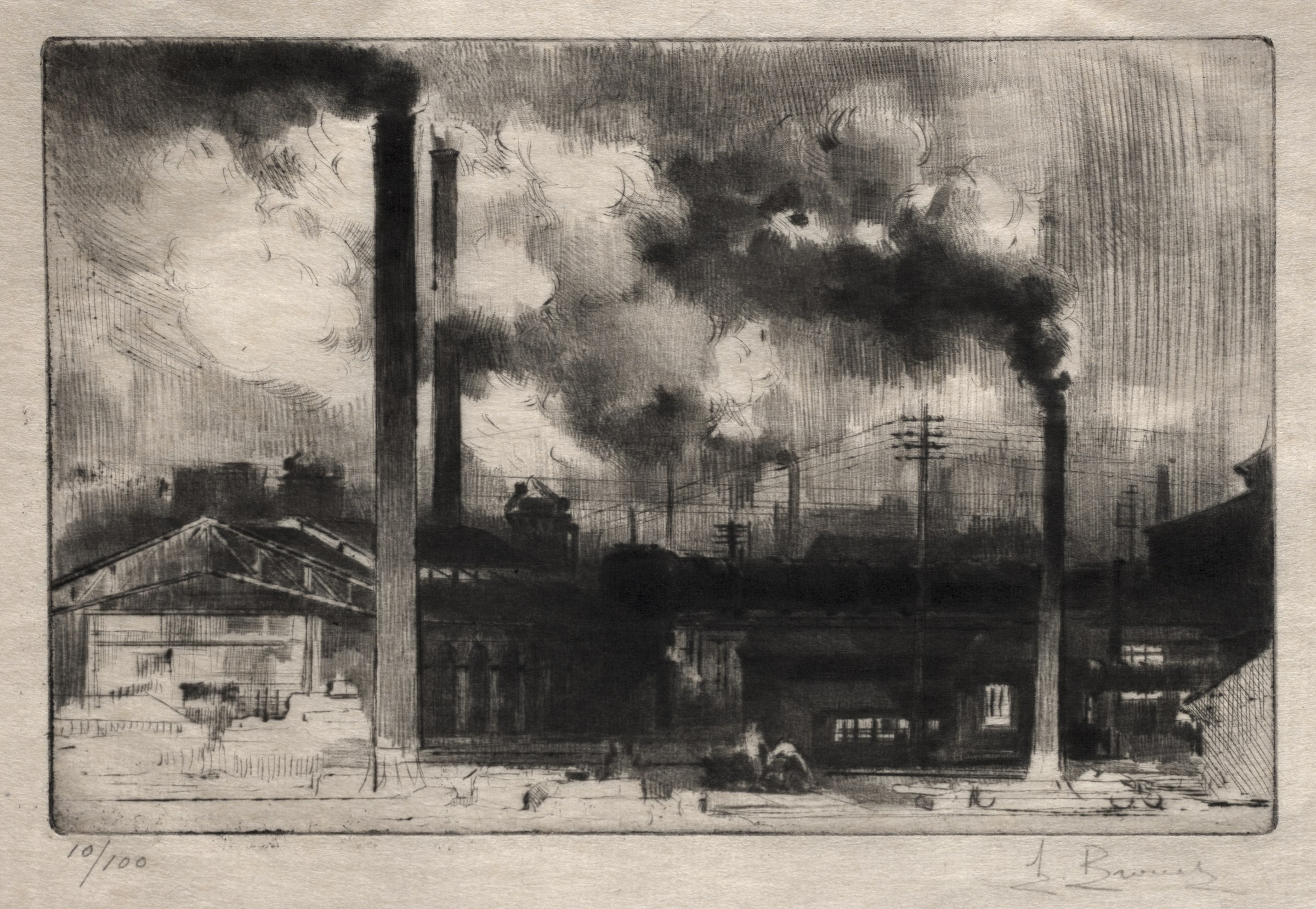
Industrialization has transformed the chemistry of the North Pacific atmosphere, with pollutants now reaching even the most remote mountain glaciers in Alaska and the Yukon. Ice cores preserve a long-term record of these changes, allowing us to reconstruct how emissions from human activities have evolved over the past centuries. My research integrates trace metal concentrations, Pb isotopes, black carbon, sulfur chemistry, and emerging contaminants (e.g., PFAS) to understand both the history of atmospheric pollution and the processes that transport it across the Pacific.
My work has shown that anthropogenic emissions can fundamentally alter atmospheric chemistry in unexpected ways. In Arctic ice cores, I demonstrated that industrial pollution changes the oxidation pathways of marine sulfur, reducing the amount of methanesulfonic acid (MSA) formed from dimethyl sulfide and reshaping one of the Arctic's most widely used climate proxies. At the same time, my research on black carbon from southeast Siberian wildfires found surprisingly little evidence that twentieth-century industrial emissions increased black carbon reaching Begguya, highlighting the importance of atmospheric transport and removal processes. Complementary work using lead concentrations and isotopes traces the changing sources of industrial pollution across the Pacific, revealing how emissions from North America and Asia have evolved through time.
Current work on the Eclipse Icefield in the St. Elias Mountains is expanding these records to include emerging contaminants such as PFAS ("forever chemicals"), heavy metals, black carbon, and other aerosol tracers. Together, these records provide a powerful archive of how human activities have changed the composition of the North Pacific atmosphere, while helping to distinguish changes in emissions from changes in atmospheric transport and chemistry.
Related publications
Pollution drives multidecadal decline in subarctic methanesulfonic acid
Nature Geoscience 17, 1016–1021
Seasonal climate drivers of southeastern Siberian wildfire over the last 1,200 years
In review
Disentangling source versus transport effects on atmospheric dust in alpine ice and snow
In review